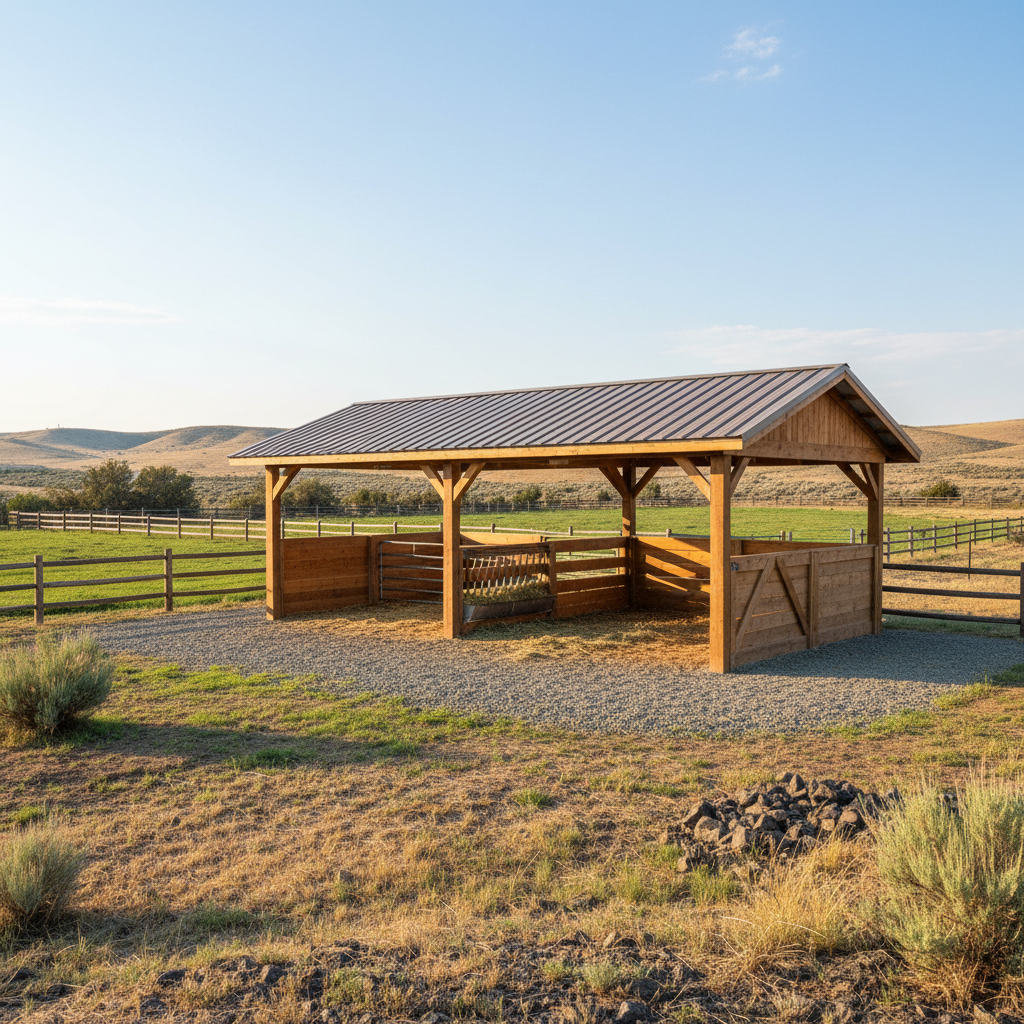
Alright, let's talk about livestock shelters. You've got some animals – chickens, goats, maybe even a mini-horse or two – and you want to give 'em a good, safe home. That's smart. But I've seen a lot of folks around Kennewick make some pretty common blunders when they're planning or hiring for these projects, and frankly, it costs 'em time, money, and a whole lot of headaches down the road. You don't want to be one of those folks.
Ignoring Local Zoning & HOAs
This is probably the biggest one, and it's a real kicker. You get all excited, maybe even buy some materials, then you find out your plans are a no-go. Kennewick, like any city, has specific rules about what you can build and where, especially when it comes to housing animals. Some areas, even if they feel rural, might have restrictions on the size, height, or even the type of animals you can keep. And if you're in an HOA, forget about it – they often have their own set of bylaws that are even stricter. You've gotta check with the city's planning department and your HOA (if you have one) before you do anything else. A quick call can save you from tearing down a half-built structure or getting hit with fines.
Underestimating Animal Needs (and Future Growth)
People often build a shelter for the animals they have right now, not thinking about what they'll need next year. Those cute little chicks? They grow into big, messy chickens. That single goat? Might turn into three. You need to factor in adequate space for each animal, ventilation, and easy cleaning. Good airflow is crucial, especially in our hot Kennewick summers; you don't want your animals overheating in a stuffy shed. And think about how you'll clean it – can you get a wheelbarrow in there? Is the floor easy to hose down? A little extra space and thoughtful design upfront make a huge difference in the long run.
Skimping on Foundation & Durability
I get it, everyone wants to save a buck. But cutting corners on the foundation or using flimsy materials for a livestock shelter is a recipe for disaster. We've got pretty expansive clay soils in some parts of Kennewick, and if you don't have a solid, level foundation, your shed's going to shift, crack, and eventually fall apart. You need something that can withstand our wind, rain, and the general wear and tear that animals put on a structure. Critters are tough on buildings! Invest in pressure-treated lumber for anything touching the ground, strong framing, and a good roof. It's not just about keeping the rain out; it's about keeping your animals safe and the structure standing for years.
Hiring the Wrong 'Handyman'
This one really grinds my gears. You see an ad for a cheap handyman, or your buddy's cousin says he can build it for cash. Sometimes it works out, but often, you end up with a shoddy job that needs fixing sooner rather than later. A proper livestock shelter isn't just four walls and a roof. It needs to be built to code (even if it's a small structure, there are guidelines), durable, and safe for animals. Look for someone with experience in building sheds or outbuildings. Ask for references, see examples of their work. A reputable builder, like us at Kennewick Custom Sheds, will know about proper foundations, ventilation, and materials that stand up to the elements and animal abuse. Don't be afraid to ask questions about their process and what kind of warranty they offer on their work.
Forgetting Security & Predator Protection
You'd be surprised what kind of wildlife we have around Kennewick, even in more suburban areas. Raccoons, coyotes, even neighborhood dogs can be a threat to your livestock. Your shelter needs to be secure. That means sturdy walls, solid doors with good latches, and making sure there are no gaps or holes where predators can squeeze in. Think about reinforcing windows or vents with hardware cloth. Don't just assume your animals will be safe because they're inside a shed. You've got to make it predator-proof.
Building a livestock shelter is a worthwhile project, but you've got to go into it with your eyes open. Do your homework, plan for the long haul, and don't be afraid to invest in quality. Your animals – and your wallet – will thank you for it.