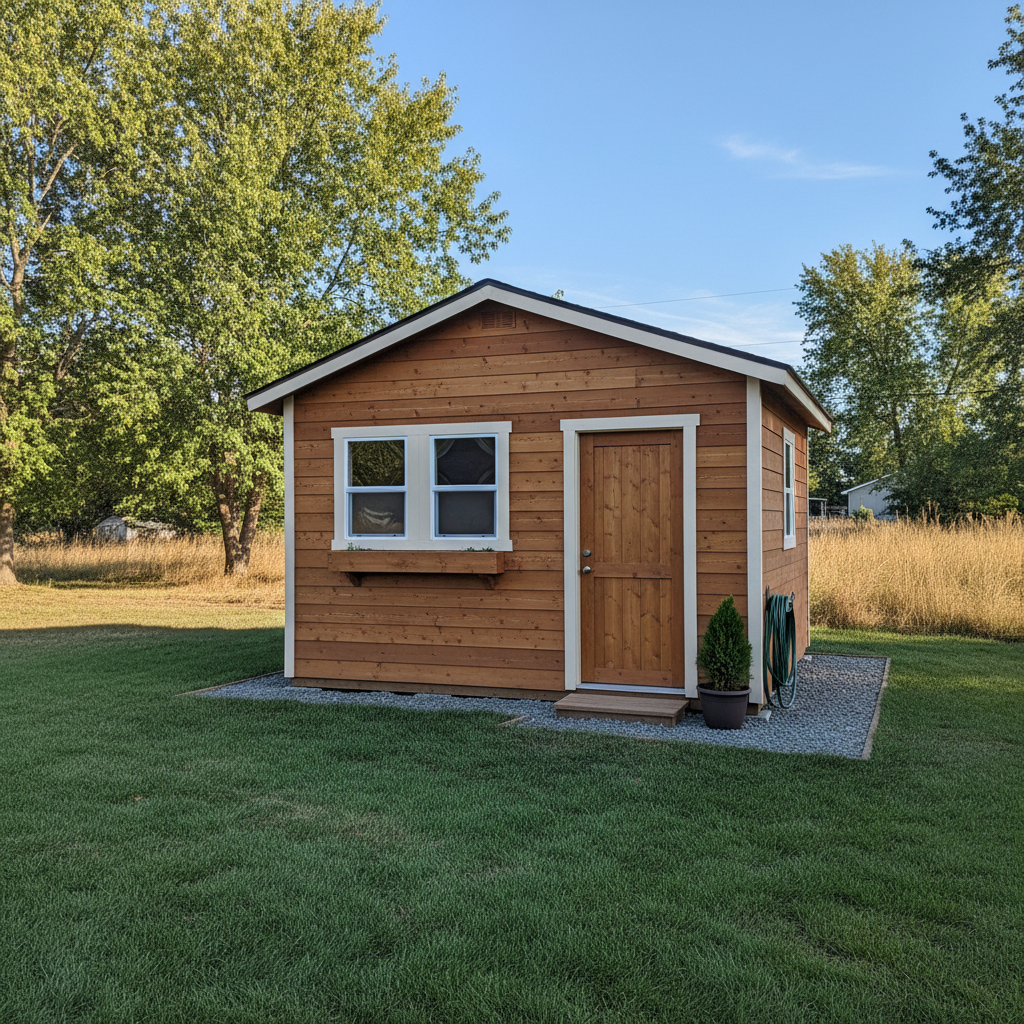
So, you've got yourself a great custom shed from Kennewick Custom Sheds. Good choice! You picked a quality build, but even the best sheds need a little looking after if you want them to last a lifetime. I've seen plenty of sheds around Kennewick, from Badger Mountain to the Columbia River, and I can tell you, a little regular care goes a long way. Think of it as protecting your investment, and your stuff.
Extending Your Shed's Lifespan: It Starts with the Build (and You!)
When we build a shed, we're thinking about longevity from the ground up. We use good materials and solid construction techniques. But once it's yours, some simple things you do can really stretch its life. The biggest one? Keeping moisture out and air flowing. Our climate here in Kennewick, with those hot, dry summers and sometimes damp, cold winters, can be tough on wood if it's not protected.
- Good Drainage is Key: Make sure water isn't pooling around the base of your shed. If you've got a gravel foundation, keep it clear. If you've got concrete, check for cracks. Divert rainwater away from the walls with gutters and downspouts if you don't have them, or make sure existing ones are clear.
- Paint or Stain Regularly: This is your shed's first line of defense against the elements. For wood sheds, a fresh coat of quality exterior paint or stain every 3-5 years, depending on exposure, is crucial. It seals the wood, preventing rot and UV damage. Don't skip the trim!
- Ventilation Matters: We build sheds with vents for a reason. They prevent condensation buildup inside, which can lead to mold, mildew, and eventually, rot. Don't block them. If you're storing anything that gives off moisture, like a lawnmower with a wet grass catcher, make sure the shed can breathe.
Regular Maintenance: What You Need to Do Annually
You don't need to spend all weekend on this, but a quick check-up once or twice a year will catch small problems before they become big ones. I usually recommend a spring check after winter and maybe another quick look in the fall.
- Inspect the Exterior: Walk around your shed. Look for peeling paint, cracked caulk, or any signs of wood rot, especially near the ground. Check the roof for loose shingles or flashing. Are there any branches touching the roof or walls? Trim them back; they can scrape off paint and hold moisture.
- Check Doors and Windows: Make sure they open and close smoothly. Lubricate hinges if they're squeaky. Check the weatherstripping around doors and windows; replace it if it's cracked or missing to keep out drafts and moisture.
- Clean Gutters (if you have them): Clogged gutters can send water cascading down your shed walls, which is exactly what you don't want. Clear out leaves and debris.
- Interior Scan: Look for any signs of leaks, mold, or pest activity. Are there any strange smells? Is anything damp?
Warning Signs: Don't Ignore These!
Your shed will usually give you clues when something's not right. Pay attention to these:
- Soft Spots on Wood: If you poke a screwdriver into a piece of wood and it feels soft or crumbles, that's rot. It needs to be addressed quickly before it spreads.
- Water Stains Inside: Any discoloration on the ceiling, walls, or floor inside the shed usually means a leak. Find the source and fix it.
- Pest Evidence: Sawdust piles, chewed wood, or droppings mean you've got uninvited guests. Termites, carpenter ants, or rodents can do serious damage if left unchecked.
- Sagging Roof or Walls: This is a big one. If you see your roofline dipping or walls bowing, it indicates a structural problem. Don't wait on this.
- Doors or Windows That Stick Badly: Sometimes it's just humidity, but sometimes it can mean the shed's foundation has shifted or the frame is warping.
When to Call a Professional (Like Us!)
Look, I'm all for DIY, but there are times when it's smarter, safer, and ultimately more cost-effective to call in someone who knows what they're doing. You can reach out to Kennewick Custom Sheds for any major repairs or if you're unsure about something.
- Major Structural Damage: If you've got a sagging roof, a compromised foundation, or significant wood rot that's affecting the shed's integrity, that's a job for a pro. Trying to patch it yourself might just delay a bigger, more expensive fix.
- Extensive Pest Infestations: While you can handle a few spiders, if you suspect termites or a serious rodent problem, you'll want an exterminator, and then a builder to repair any damage.
- Roof Replacement: If your roof is old, leaking in multiple spots, or has significant storm damage, replacing it is a specialized job.
- Foundation Issues: Cracks in a concrete slab or significant settling of a gravel base can lead to all sorts of problems. We can assess and recommend solutions.
- You're Just Not Sure: If you see something that worries you and you're not confident in your ability to diagnose or fix it, give us a call. It's better to get an expert opinion early than to let a small issue grow.
Your custom shed is a valuable asset. A little bit of attention throughout the year will keep it looking good and performing its best for decades. Don't let our Tri-Cities weather get the best of it!