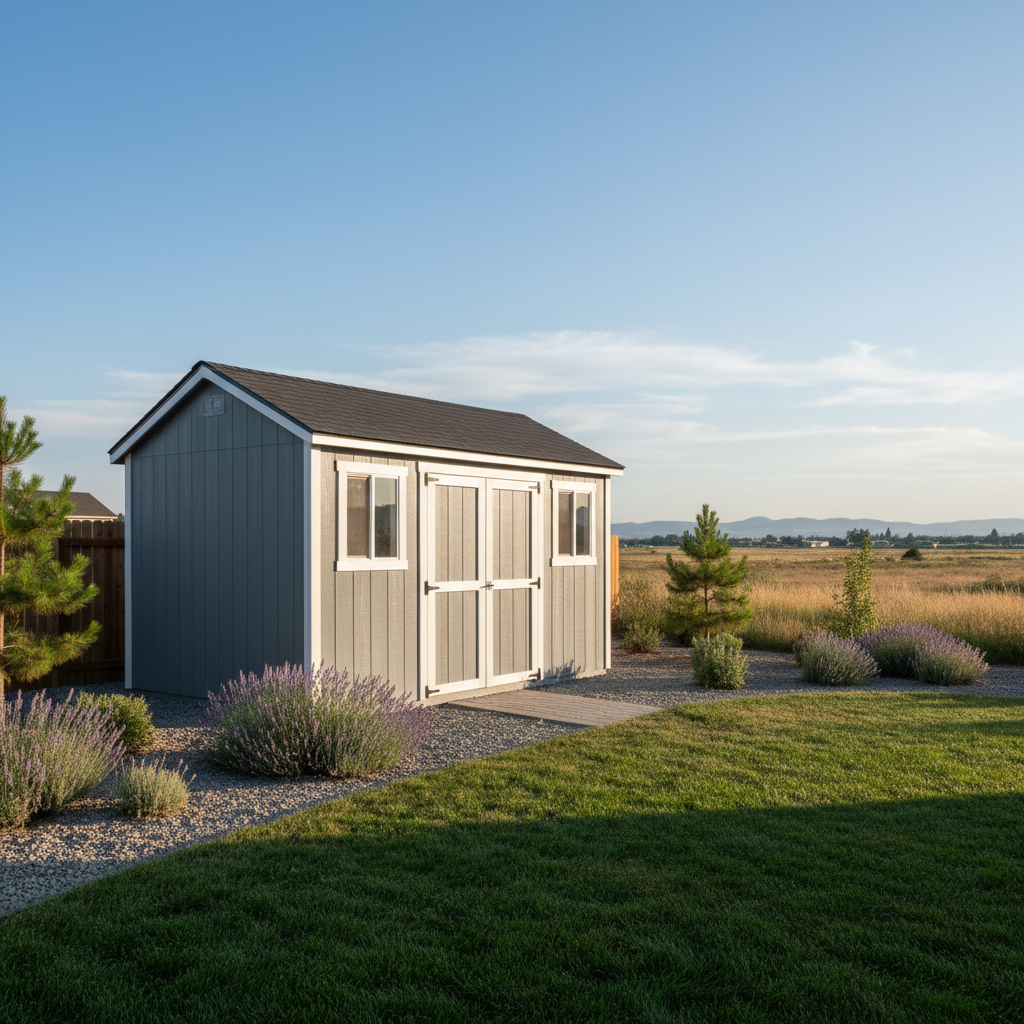
You've got a shed, right? Maybe it's a place for your tools, a potting bench, or just extra storage. Whatever its job, you want it to last. Here in Kennewick, our weather can be tough on outdoor structures. Those hot, dry summers followed by damp, chilly winters really put things to the test, don't they? So, let's talk about how to make sure your shed stands strong for years to come.
Extending Your Shed's Lifespan
The biggest secret to a long-lasting shed isn't some fancy trick; it's just good, consistent care. Think of it like your car – a little preventative maintenance goes a long way. When we build a shed at Kennewick Custom Sheds, we use quality materials designed to withstand our local conditions, but even the best stuff needs a little help.
First off, keep it clean. Seriously. Dust, dirt, leaves, and cobwebs aren't just unsightly; they can trap moisture and encourage pests. A good sweep inside and a brush-down outside a couple of times a year does wonders. Pay attention to the roof, too. Clear off any debris, especially after windy days. Leaves and pine needles hold water, which can lead to rot or even ice dams in winter if you're in a colder climate. Luckily, that's less of a concern for us here.
Next, think about your shed's exterior finish. If it's painted, you'll want to repaint it every 5-7 years, maybe sooner if it sits in direct, all-day sun. Stained sheds usually need re-staining every 3-5 years. This isn't just about looks; the paint or stain is your shed's first line of defense against UV rays and moisture. Don't skip it. When you do repaint or restain, make sure you're using products made for exterior use and that can handle our temperature swings.
Regular Maintenance Checks You Can Do
I tell all my customers this: walk around your shed once a season. It doesn't take long, and you'll catch small problems before they become big, expensive ones.
- Check the roof: Look for loose or missing shingles, cracks, or any signs of water pooling. Pay attention to the flashing around vents or edges.
- Inspect the siding: Are there any cracks, rotting spots, or peeling paint? Look for holes that could be pest entry points.
- Examine the foundation: Make sure there's no standing water around the base. Check for settling or shifting, especially if your shed sits on concrete blocks. Our expansive clay soils around here can really move things around if not properly prepped.
- Doors and windows: Do they open and close smoothly? Check the caulking around windows and door frames. Replace any cracked or missing caulk to keep water out. Lubricate hinges if they're squeaky.
- Ventilation: Make sure any vents are clear and unobstructed. Good airflow prevents moisture buildup inside, which can lead to mold and mildew.
Inside, keep an eye out for any signs of leaks, dampness, or pest activity. If you store chemicals or anything that attracts moisture, make sure they're sealed properly.
Warning Signs of Trouble
You're doing your seasonal checks, and you spot something. What signals a problem?
- Water stains or drips: These are obvious. If you see them on the ceiling or walls, you've got a leak. Find the source and fix it fast.
- Soft or spongy wood: This is a clear sign of rot. Poke around with a screwdriver in suspicious areas, especially near the ground or around windows.
- Pest droppings or chewed wood: Mice, rats, and insects love sheds. If you see signs of them, you've got to address it quickly before they cause structural damage.
- Sagging roofline or uneven walls: This indicates a serious structural issue. Don't ignore it.
- Persistent musty smell: Often a sign of hidden moisture or mold.
When to Call a Professional
Look, not every problem needs a pro. If it's a small patch of peeling paint or a loose shingle you can safely reach, go for it. But there are times when it's just smarter and safer to call someone like us at Kennewick Custom Sheds.
- Major roof damage: If you've got a big section of missing shingles, a hole, or you suspect a structural issue with the roof itself, call a roofer or a skilled carpenter. Working on roofs can be dangerous.
- Extensive wood rot: If you find rot in a large section of siding, a floor joist, or a wall stud, that's beyond a simple patch job. You need someone who can properly replace the compromised wood and ensure the structural integrity isn't affected.
- Foundation issues: If your shed is visibly leaning, sinking, or the foundation blocks have shifted significantly, that's a job for an expert. Improperly fixing a foundation can lead to bigger problems down the line.
- Persistent leaks you can't find: Sometimes water takes a weird path. If you've tried to find a leak and can't, a professional can often pinpoint it quickly.
- Pest infestations that are out of control: If you've got a serious problem with termites, carpenter ants, or rodents that you can't manage with DIY methods, call an exterminator.
Your shed is an investment. A little attention now can save you a lot of headaches and money later. Keep an eye on it, fix the small stuff, and don't be afraid to call in help when you need it. That's how you keep your Kennewick shed serving you well for decades.