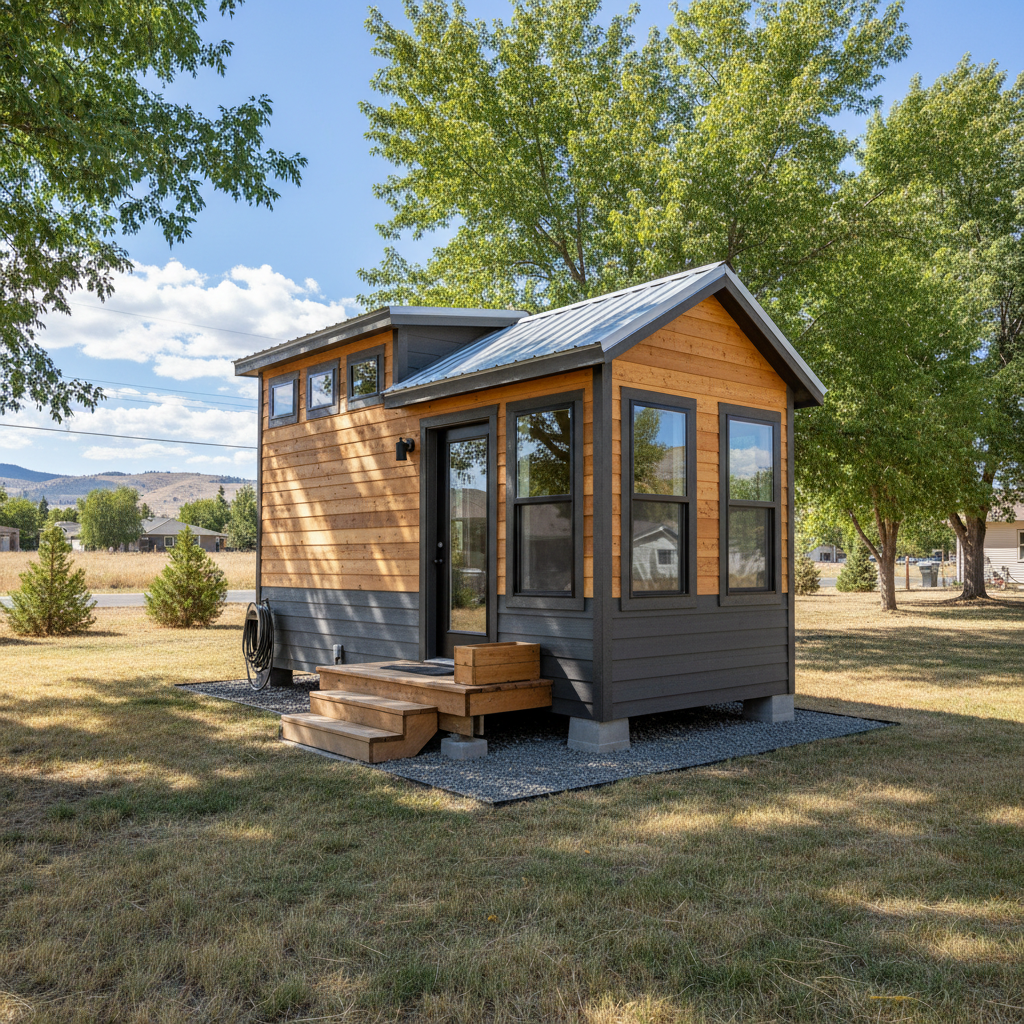
Don't Just Wing It: Permitting is Your First Stop
You'd be shocked how many people get excited about a tiny home, maybe even buy a shell or start building, and completely forget about permits. Or worse, they assume it's just a glorified shed and doesn't need much. That's a huge mistake, especially here in Kennewick.
Tiny homes, even if they're on wheels, often fall under specific zoning and building codes if you're planning to live in them full-time on your property. You can't just plop one down in your backyard in Southridge or anywhere else and expect no questions asked. Kennewick, like most cities, has rules for everything from setbacks to utility connections. What's the biggest red flag? Any contractor who tells you, "Don't worry about permits, we'll just build it." Run, don't walk, from that person. They're setting you up for a world of headaches, fines, or even having to tear down your investment.
Before you even draw a sketch, call the City of Kennewick Planning Department. Ask them about ADU (Accessory Dwelling Unit) regulations, zoning for tiny homes, and what utilities (water, sewer, electric) are required. Knowing this upfront saves you time, money, and a lot of frustration.
Underestimating Utility Hookups & Site Prep
Okay, so you've got the permit situation sorted, or at least you're on the right track. The next big hurdle I see people trip over is underestimating what it takes to get that tiny home fully functional. It's not just about the structure itself; it's about what makes it livable.
- Water and Sewer: Are you connecting to city services? That means trenching, plumbing, and inspections. If you're going off-grid, you need a reliable well and septic system, which are major projects in themselves. Don't forget about our rocky soil here in the Tri-Cities; digging can be tougher and more expensive than you think.
- Electricity: You'll need a proper electrical hookup, usually a dedicated circuit from your main panel or a new service drop. This isn't a job for your buddy who "knows a little about wiring." Get a licensed electrician.
- Foundation/Leveling: Even if it's on wheels, it needs to be properly leveled and secured. If it's a permanent foundation, that's a whole other ballgame of concrete work.
A good contractor will include these site prep and utility connection costs in their estimate, or at least make it very clear what's *not* included. If an estimate seems too low, it's usually because they've left out these crucial steps.
Hiring the Wrong "Tiny Home Guy"
This one's a biggie. The tiny home trend has brought out a lot of enthusiasm, and with it, some folks who claim to be experts but really aren't. Here's what to watch out for:
- No License or Insurance: This is non-negotiable. Any contractor working on your property needs to be licensed and insured. Ask for proof, and verify it with the state. If they can't provide it, they're not legitimate, and you're taking on all the risk.
- Vague Contracts: A solid contract spells out everything: scope of work, materials, timeline, payment schedule, and what happens if things go wrong. If it's just a handshake or a couple of sentences on a napkin, you're asking for trouble.
- Demanding Full Payment Upfront: A reputable contractor will ask for a reasonable down payment (usually 10-30%), with progress payments tied to milestones. If they want all the money before they even start, that's a massive red flag.
- Lack of References or Portfolio: Ask for references from past clients and look at their previous work. If they're new to tiny homes, that's fine, but they should have a portfolio of other quality construction work.
At Kennewick Custom Sheds, we focus on quality and transparency because we know what it takes to build things right, big or small. We've seen the aftermath of bad jobs, and it's never pretty.
Forgetting About Long-Term Maintenance & Climate
A tiny home isn't a set-it-and-forget-it deal. Just like any home, it needs maintenance. And in Kennewick, our climate can be tough on structures. We get hot summers, cold winters, and sometimes those strong winds coming off the Columbia River.
Think about things like insulation – is it adequate for our temperature swings? What about the roof and siding? Are they durable enough to withstand the elements? Tiny homes often have unique features, like composting toilets or specialized heating/cooling systems. Make sure you understand how to maintain them and what their lifespan is.
Don't just focus on the aesthetics; think about the practicalities of living in it year-round here in the Tri-Cities. Planning ahead for these things will save you from buyer's remorse down the line.