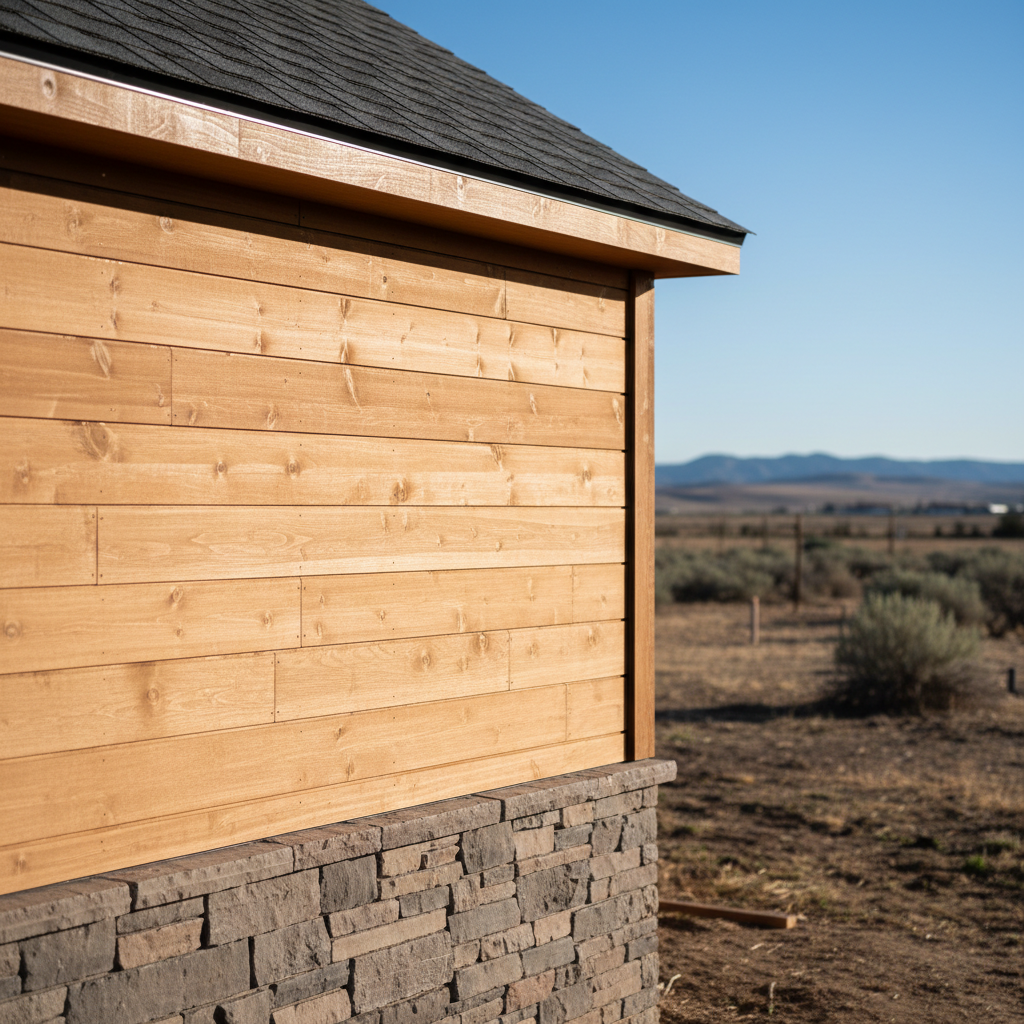
Alright, let us talk about garages. As a local builder here in Kennewick, we get many of the same questions from folks looking to add a new garage or upgrade their existing one. A new garage is a big investment. You want to get it right. You want something that will hold up to our hot summers as well as our cold winters. This garage also needs to fit your needs. It also needs to look good. We have put together some straight answers to the questions we hear most often. There is no fluff. This is just what you need to know.
What is the deal with permits and setbacks in Kennewick?
This is usually the first thing people ask. It is for a good reason. You cannot just build a garage wherever you want. In Washington State, you will pretty much always need a building permit for a garage. This is true even if it is detached. Garages involve foundations for vehicle loads as well as often electrical systems. The City of Kennewick has specific rules. These rules are there to keep things safe as well as orderly.
For accessory structures like garages, you have to pay attention to setbacks. These are the distances your garage needs to be from your property lines. Typically, for residential primary structures, you are looking at a 15-foot front yard setback. This is measured from the back of the sidewalk. There is also a 15-foot back yard setback. There is a 5-foot side yard setback as well. If your garage door faces the street and is wider than 6 feet, that front yard setback actually jumps to 20 feet. In addition, if your detached garage is less than 10 feet from your house, you will likely need a fire-rated wall on the side facing the residence. Do not forget about easements either. You cannot build on or over those. It is a lot to keep track of. Our team at Kennewick Custom Sheds handles the permit process for you. We make sure everything is up to snuff with the City of Kennewick's Building Safety Division.
Attached or detached: Which is better for my Kennewick home?
This really comes down to what you need. It also depends on what your property allows. There is no one-size-fits-all answer here.
- Attached Garages: These are very convenient. This is especially true when it is pouring rain or freezing cold out here in the Tri-Cities. You just walk right into your house. Attached garages can also be less expensive to build. This is because they share a wall as well as often utilities with your home. However, they can be harder to fit on a narrow lot. They might also change the look of your home if not designed well. In addition, there is a slightly higher fire risk since it is connected to your living space.
- Detached Garages: These give you a lot more flexibility in terms of size as well as design. If you want a big workshop, a place for noisy hobbies, or just more space away from the main house, detached is the way to go. Detached garages can be tucked into a corner of your property. They will not affect your home's curb appeal. The downside is less convenient access. This is especially true in bad weather. You will also need separate utility hookups. This can add to the cost.
For Kennewick Custom Sheds, we build both types of garages. We will help you figure out what makes the most sense for your specific property. We will also help you plan how you plan to use the space.
What kind of foundation do I need for a garage in Kennewick's soil?
Our soil here in Kennewick can vary quite a bit. It ranges from sandy loam to more clay-rich areas. This is especially true as you get closer to the river or up towards Badger Mountain. This means a proper foundation is not just a suggestion. It is important for preventing settling or cracking down the line.
Most garages around here use a concrete slab-on-grade foundation. These are cost-effective as well as durable. For standard residential garages, we are usually looking at a 4-inch thick slab. If you are planning on parking heavier vehicles or using it as a serious shop with lifts, we will make that thicker. We will beef that up to 5-6 inches with rebar. We always start with compacted subgrade. Then we add crushed base rock. We also put a vapor barrier under any conditioned spaces. Skipping those steps is how you end up with problems later.
How big should my garage actually be?
This is where many people underestimate. You do not just need room for your cars. You need room to open doors. You also need room to walk around. You need room to store your stuff. The biggest regret we hear is not going big enough.
- Single-Car: A bare minimum is about 12x20 feet. That is tight. We would recommend at least 14x22 feet. You could also go with 16x24 feet. This is especially true if you have a larger vehicle or want any storage.
- Two-Car: The absolute minimum is 20x20 feet. You will be squeezing in this size. A 24x24 foot garage is a much more comfortable starting point. This gives you space between vehicles as well as walls. If you want a workbench or significant storage, consider going deeper. You could go for 24x30 feet. That extra 6 feet of depth makes a big difference for a real work area.
- Three-Car: The minimum is around 30-32 feet wide by 20-22 feet deep. For real comfort and storage, aim for 36x24 feet. You could even go for 40x24 feet if you have multiple trucks or SUVs.
Think about what you will be doing in there besides parking. Will you have a workbench? Will you store bikes, lawnmowers, or holiday decorations? Plan for that extra space now. It is much cheaper than adding it later.
What about insulation and heating/cooling for a Kennewick garage?
Given our climate in Kennewick, insulation is a smart move. This is true even if your garage is not fully heated. Insulation helps keep things cooler in summer. It also helps keep things less frigid in winter. The Washington State Energy Code sets requirements for insulation. If your garage is attached and shares a wall with your house, or if you plan to heat or cool it, you will need to meet those standards.
For walls, you are typically looking at R-20 cavity insulation. This is plus R-5 continuous insulation. Or you could use R-13 cavity plus R-10 continuous. Ceilings often require R-60. Do not forget the garage door itself. Insulated doors make a big difference. We can also add weatherstripping to seal gaps.
If you want to heat or cool your garage, you have options. Many folks use a mini-split heat pump system for efficient heating as well as cooling. Local HVAC companies like Dayco Heating & Air Conditioning or Bruce Heating & Air can help you with those systems. Geothermal heat pumps are also an option for year-round comfort. These can have a good payback period.
What kind of garage door is best for our Kennewick weather?
Your garage door takes a beating from the elements here. You want something durable. Steel doors are a popular choice. This is because they are strong. They can also be rust-resistant if coated properly. Fiberglass is another good option. It can look like wood without the maintenance. It also holds up well. If you like the look of wood, make sure it is treated or composite for better moisture resistance.
Beyond the material, consider insulation. An insulated garage door will help keep your garage more comfortable year-round. This reduces heat loss in winter. It also keeps some heat out in summer. Companies like Continental Door offer various options. This includes insulated Clopay doors. We will make sure your door is installed right. We also make sure it has proper weather seals to keep out the wind, rain, as well as dust.
What are the best options for garage flooring?
Plain concrete is fine. However, it stains. It also chips. It can be dusty. If you want something tougher and easier to clean, we always recommend an epoxy coating. It is a big improvement for durability as well as looks.
Epoxy floors are resistant to oil, chemicals, as well as moisture. This is great for a garage. They are easy to clean. They can completely change the look of your space. You can get them with decorative flakes, solid colors, or even metallic designs. There are local pros like Tri-Cities Epoxy Flooring or Pasco Epoxy Pros. These companies specialize in these coatings. They know how to handle our local concrete as well as climate. They will do the proper prep. This includes grinding as well as moisture testing. This makes sure it lasts.
Building a new garage or upgrading an old one is a big project. However, it adds a lot of value as well as functionality to your home. If you have more questions or you are ready to start planning, give us a call at Kennewick Custom Sheds. We are here to help you build a garage that works for you. It will work for you for years to come.