Do I need a permit for an office shed in Kennewick?
This is probably the most common question I get, and it's a good one, too, because nobody wants to get sideways with the city. Generally speaking, if your office shed is under 200 square feet, you probably won't need a building permit from the City of Kennewick. That's the magic number for most accessory structures around here, you know? But that doesn't mean you're totally off the hook. You still need to comply with zoning setbacks – that's how far it has to be from your property lines. This can vary depending on your specific zone (R1, R2, etc.), so it's always smart to check with the planning department or at least look up your property on the city's GIS map. If you're going to run electrical or plumbing to it, you'll definitely need separate permits for those, no matter the shed's size. My advice? Always make a quick call to the city's planning department. They're usually pretty helpful, and it's way better to ask upfront than to have to move or tear down a structure later.
What's the best foundation for an office shed?
For an office shed, you're really looking for something solid and level, especially since you'll have furniture, electronics, and, well, people in there. I usually recommend one of two options. The first, and often the most cost-effective for smaller sheds, is a gravel pad with concrete blocks or treated skids. We'll excavate a few inches, lay down a good layer of compacted gravel, and then set treated lumber skids or concrete blocks on top. This provides excellent drainage, which is crucial here in Kennewick with our occasional heavy rains and sometimes sandy-loam soils that can shift if not properly managed. The second, and more permanent option, is a concrete slab. This is a great choice for larger sheds or if you want it to feel truly indistinguishable from your main house. It's more expensive and definitely requires a permit if it's over a certain size or if it's attached to the ground in a way that makes it a permanent structure. Either way, proper site prep is key to prevent settling and water issues down the road.
How do I get power and internet to my office shed?
Running utilities is where things get a bit more involved, and you'll almost certainly need a licensed electrician. For power, the most common method is to trench and lay underground conduit from your main house's electrical panel to the shed. You'll need a dedicated circuit, possibly a sub-panel in the shed itself, depending on how much juice you plan to draw. Think about what you'll be running: computer, monitor, lights, heater/AC, coffee maker. That all adds up, doesn't it? For internet, you've got a few choices. A Wi-Fi extender can work if your shed is close enough to your house and the signal is strong. However, for reliable, fast internet, especially if you're doing video calls or large file transfers, running an Ethernet cable through that same underground conduit is the way to go. You can also look into mesh Wi-Fi systems if trenching isn't an option, but a hardwired connection is always best for an office. Don't forget about fiber optic options if available in your neighborhood; sometimes trenching for power can be done at the same time as fiber.
What kind of insulation and climate control do I need?
You're in Kennewick, so you know we get some serious temperature swings – hot summers and cold winters. Good insulation isn't just a luxury; it's a necessity if you want to use that office shed year-round without breaking the bank on heating and cooling. I recommend insulating the walls, floor, and ceiling with at least R-13 in the walls and R-19 or R-30 in the ceiling and floor. Standard fiberglass batts work fine, but you could also go with rigid foam or spray foam for better R-value in thinner spaces. For climate control, a mini-split heat pump is probably your best bet. They're incredibly efficient for both heating and cooling, quiet, and don't take up much space. Window AC units can work for cooling, but they're not as efficient and don't offer heat. A small electric baseboard heater can handle the winter, but again, a mini-split does both jobs better.
Can I put a bathroom or kitchenette in my office shed?
Technically, yes, you can, but this significantly complicates things. Adding plumbing for a toilet, sink, or even a small kitchenette means a whole new set of permits – plumbing permits, and likely a more involved building permit process because you're now dealing with wastewater and potable water lines. You'll need to tie into your home's existing water and sewer lines, which means more trenching and more inspections. This also often pushes you past the 200 sq ft permit-exempt limit, as adding permanent plumbing usually classifies it as a habitable structure, not just an accessory building. While it's certainly doable, it dramatically increases the cost and complexity of the project. Most folks opt for a simple office setup and just walk to the main house for bathroom breaks and coffee. If you truly need a bathroom, you might be looking at a larger project that's closer to a detached ADU (Accessory Dwelling Unit) than a simple office shed.
How long does it take to build an office shed?
That really depends on the size, complexity, and whether you're going with a kit or a custom build. For a custom office shed, like the ones we build at Kennewick Custom Sheds, a typical 10x12 or 10x16 foot structure, once we've got all the materials and permits (if needed), usually takes us anywhere from two to four weeks from breaking ground to being ready for interior finishes. That includes the foundation, framing, roofing, siding, windows, and doors. If you're adding electrical, that's usually done concurrently or right after the shell is up. Interior finishes like drywall, flooring, and paint can add another week or two, depending on how elaborate you want to get. Permitting can add several weeks or even a couple of months to the front end of the project, so factor that into your timeline. It's not an overnight thing, but a well-built office shed is an investment that'll last for decades.
What are the best materials for an office shed in our climate?
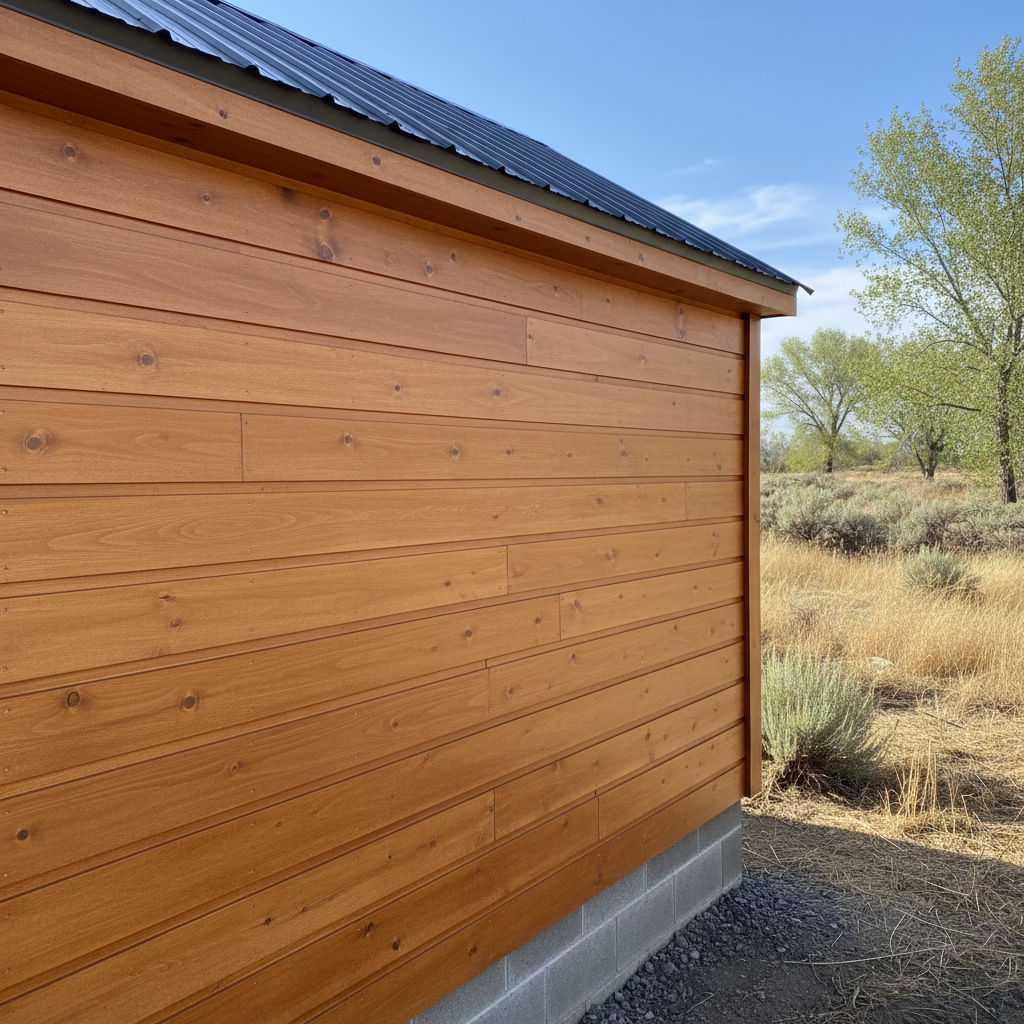
Given Kennewick's climate – hot, dry summers, and cold, sometimes wet winters – material selection is pretty important for durability and maintenance. For siding, I often recommend engineered wood products like LP SmartSide or HardiePlank. They hold up great against the sun, resist pests, and don't rot like untreated wood. Plus, they come pre-primed, ready for paint. Vinyl siding is another low-maintenance option. For roofing, asphalt shingles are a solid, cost-effective choice and stand up well to our winds and sun. Metal roofing is also excellent for longevity and can help with energy efficiency, reflecting some of that summer heat. For windows, make sure they're at least double-pane, low-E glass to help with insulation. You don't want single-pane windows letting all that heat in or out, do you? And for the subfloor, always use treated plywood or OSB, especially if you're on a pier or skid foundation, to resist moisture from the ground.