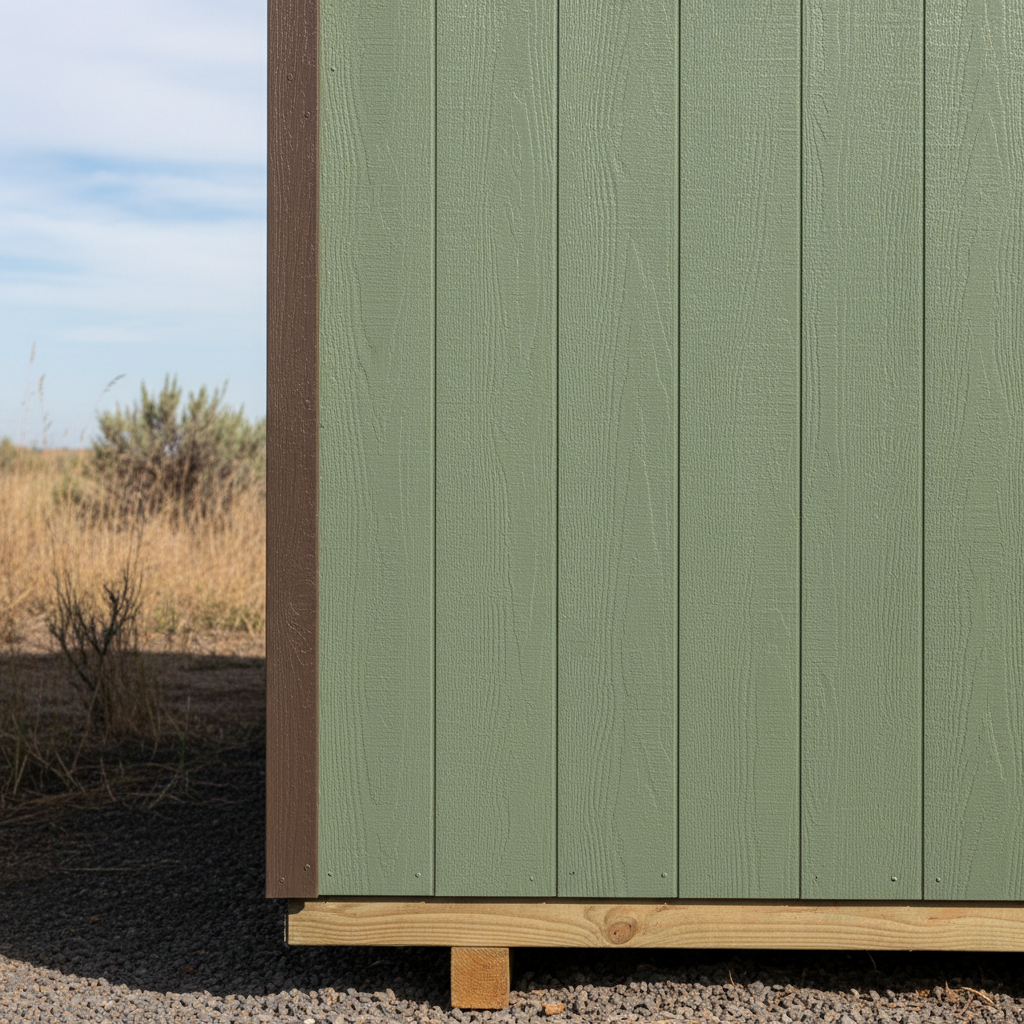
Alright, let's talk sheds. I've been building these things for years here in Kennewick, and I hear the same questions come up again and again. It's good to ask, you know? You're investing in something that's gonna be on your property for a long time, so you want to get it right. So, I figured I'd just lay out the answers to the most common stuff folks ask me. No fluff, just what you need to know.
Do I need a building permit for a shed in Kennewick?
This is probably the number one question, and it's a good one because you definitely don't want to get sideways with the city. Generally speaking, in Kennewick, if your shed is 200 square feet or less, you usually don't need a building permit. That's a pretty common size for backyard storage. However, there are always exceptions and other rules to consider.
Even if it's under 200 sq ft, you still need to make sure you're following setback requirements from your property lines. You can't just plop it anywhere. Plus, if you're planning to run electricity or plumbing to the shed, or if it's going to be used for human habitation (like a tiny home or office, which is a whole different ballgame), then you're absolutely going to need permits, regardless of size. My advice? Always check with the City of Kennewick Planning Department directly. Give 'em a call, tell 'em what you're planning. It's better to spend five minutes on the phone than deal with a headache later.
What's the best foundation for a shed in our Kennewick climate?
You've got a few options here, and the 'best' really depends on the size of your shed, what you're storing, and your budget. Here in Kennewick, we get those hot summers and sometimes pretty cold winters, plus our soil can be a mix of sandy loam or even pretty rocky in some areas, especially closer to the hills. That means you need something stable.
- Gravel Pad: For smaller to medium sheds (say, up to 12x16), a well-prepared gravel pad is often perfectly sufficient and cost-effective. We're talking 4-6 inches of compacted crushed rock, with a perimeter of treated lumber or concrete blocks to keep it contained. It provides good drainage, which is key for keeping the bottom of your shed dry.
- Concrete Slab: For larger sheds, or if you're storing really heavy equipment like a tractor or ATV, a concrete slab is probably your best bet. It's the most durable and provides the most stable base. You'll want it poured on a properly prepared and compacted sub-base, with rebar or mesh for strength. It's more expensive, but it's a 'set it and forget it' solution.
- Concrete Blocks/Piers: Sometimes, for smaller sheds, you can use concrete blocks or pre-cast piers on a leveled gravel base. This lifts the shed off the ground, which is great for airflow and preventing rot. It's a bit less stable than a full gravel pad or slab but can work if done right.
Whatever you choose, proper site preparation and drainage are non-negotiable. You don't want water pooling under your shed.
Can I convert my shed into a living space or home office?
You can, but it's a big jump from a storage shed to a habitable space, and it comes with a lot more rules and costs. If you're thinking about using it as a home office, a guest room, or anything where people will be spending significant time, you're looking at needing full building permits. This means meeting residential building codes for things like insulation, ventilation, electrical, plumbing, egress windows, and ceiling height. It's not just about throwing up some drywall.
The structure itself might need to be upgraded to meet these codes, especially for things like foundation and framing. What starts as a simple storage shed project can quickly become a small construction project. We've certainly built custom sheds that are designed from the ground up to be future offices or studios, but that's a different beast than just converting an existing storage-only shed. Be prepared for a much more involved process and budget.
What are the best materials for a shed that lasts in our climate?
Durability is key, especially with our temperature swings. For the framing, treated lumber is always a smart choice for anything that's going to be close to the ground, like the skids and floor joists. It resists rot and insects.
For siding, you've got options: treated wood siding, engineered wood siding (like LP SmartSide), or even vinyl or metal. I'm a big fan of engineered wood products because they hold up really well to our dry heat and occasional moisture, they're durable, and they take paint nicely. Metal siding is also super tough and low maintenance, but some folks don't like the look as much.
Roofing is critical. Asphalt shingles are common and effective. For a really long-lasting solution, especially if you want to match your house, a metal roof is a great option. It handles our sun and any wind we get beautifully. Whatever you pick, make sure it's installed properly with good underlayment to prevent leaks.
How much space do I really need in a shed?
This is where people often underestimate. You think you need a certain size, then you start putting stuff in there, and suddenly it's full. My rule of thumb: figure out everything you want to store, then add at least 25-30% more space than you think you need. Seriously. You'll accumulate more stuff, or you'll want room to actually move around in there, not just stack things to the ceiling.
Think about the largest items first – lawnmower, ATV, workbench. Then consider smaller items and how you'll organize them with shelving or hooks. A 10x12 shed is a popular size for general storage, but if you have a lot of outdoor gear, tools, or plan on doing any projects inside, you might quickly outgrow it. It's almost always cheaper to go a little bigger upfront than to realize you need a second shed later.
What kind of security measures should I consider for my shed?
A shed is often a target because it holds valuable tools, equipment, and sometimes even sentimental items that aren't secured as well as your main house. Don't make it an easy target. Start with a good, solid lock. Forget those flimsy little padlocks; get a heavy-duty, hardened steel padlock with a shrouded shackle. Even better, consider a deadbolt if your shed door is thick enough to accommodate one.
Beyond the lock, think about the hinges. Are they exposed? Can they be easily removed? If so, consider security hinges or making sure the hinge pins are on the inside. Windows are another weak point; if you have them, consider adding bars or even just making sure they're not easily pried open. Motion-sensing lights around the shed can also be a good deterrent. If you've got a home security system, some folks even extend a sensor to their shed. It's all about making it less appealing for someone to try and break in.
Hopefully, this clears up some of those nagging questions you've had. Building a shed is a great way to add functional space and value to your property. Just make sure you're thinking through these things upfront. If you're in Kennewick and looking to get a custom shed built, you know who to call at Kennewick Custom Sheds. We're happy to talk through your specific needs.